
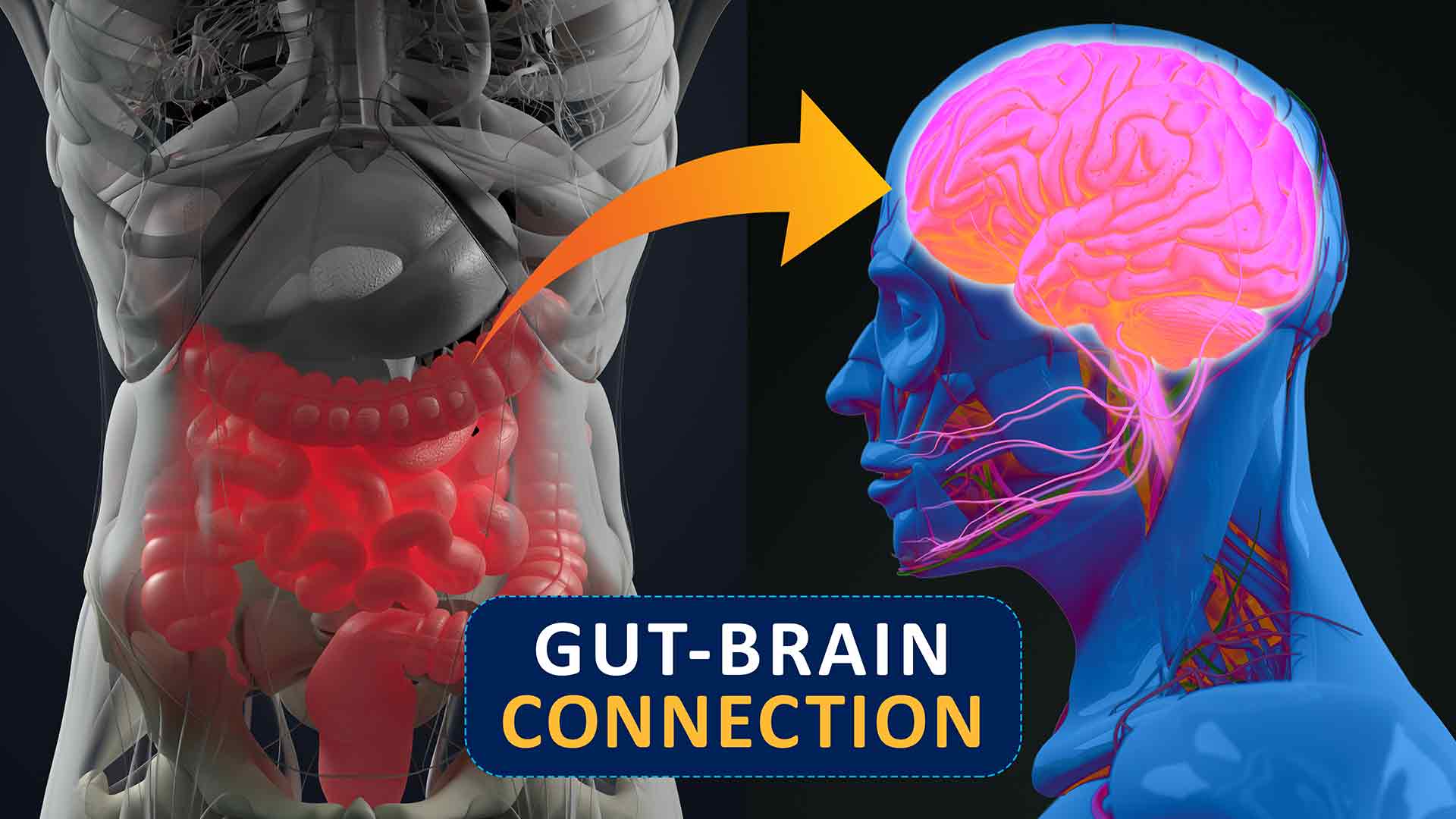
When your stomach seems to inflate like a balloon just as your thoughts start racing, you are experiencing the gut-brain connection in real time. Scientists call the gut our “second brain” because it houses a vast network of nerves and chemical messengers that chatter constantly with the central nervous system. This conversation steers digestion, mood, and even immune responses.
But when anxiety turns that dialogue into a frantic shouting match, normal digestive rhythms can stumble—often leaving us uncomfortably bloated. Understanding how emotions and intestines share a telephone line helps us tame both the mental and physical knots that anxiety can tie.
The Two-Way Street Between Nerves and Nutrients
Inside the intestinal wall sits the enteric nervous system, a 100-million-neuron powerhouse that sends and receives signals to the brain through the vagus nerve. When you feel calm, this highway hums along at a leisurely cruise, coordinating the smooth, muscular waves that push food forward and releasing enzymes right on cue. Stress hormones, however, act like sudden construction zones: they narrow blood vessels, slow peristalsis, and disrupt the careful timing of gas release.
Over time, these detours change the mix of gut microbes that help ferment fiber and absorb minerals, setting the stage for excess gas production and distension. In short, anxiety need not reach panic-attack levels to scramble digestion; even low-grade worry can nudge bowel movements off schedule and leave you feeling puffy.
How Anxiety Physically Triggers Bloating
When a threat—real or imagined—flashes across your mind, the hypothalamic-pituitary-adrenal (HPA) axis floods the bloodstream with cortisol and adrenaline. These hormones redirect energy toward muscles and away from “non-essential” tasks like digesting lunch. Stomach emptying slows, intestines tense, and digestion stalls mid-process. Meanwhile, shallow breathing common during anxious moments invites extra air into the esophagus, which travels downward and inflates the gut like an internal bubble wrap.
Add to that the fact that stressed people tend to swallow more frequently, sip carbonated drinks for comfort, or chew gum to release tension, and you have multiple pipelines feeding gas into already sluggish bowels. The result is pressure, visible abdominal swelling, and the uncomfortable sense that your belt shrank two notches after dinner.
The Microbiome’s Mood Ring
Gut bacteria thrive or wither according to the chemical climate we create. Elevated cortisol skews the microbiome toward species that ferment carbohydrates into gas rather than short-chain fatty acids, tipping the scale toward bloating. At the same time, beneficial strains that help seal the intestinal lining may dwindle, allowing tiny food particles to irritate immune cells and spark low-grade inflammation—a process sometimes labeled “leaky gut.”
This inflammation can sensitize pain receptors along the intestinal wall, so normal levels of gas suddenly feel unbearable. Recent studies even show certain microbes manufacture neuroactive compounds like GABA and serotonin, meaning an anxious mind can reshape the microbiome, which then feeds signals back up to heighten anxiety—an uncomfortable feedback loop trapped in your torso.
Practical Ways to Soothe Mind and Belly
Breaking that loop starts with calming the nervous system. Slow, diaphragmatic breathing and short mindfulness breaks stimulate the vagus nerve, coaxing the digestive tract into its rest-and-digest gear. Building regular mealtimes trains gut muscles to contract rhythmically, while fiber-rich produce and fermented foods help repopulate beneficial microbes. Gentle movement—think walking or yoga—mobilizes trapped gas without jarring sensitive intestines.
Some people also find relief by swapping bubbly sodas for herbal tea and savoring hydrating, nutrient-dense beverages; for instance, a single glass of cold-pressed juice offers vitamins without the carbonation that can compound bloating. Finally, if anxiety remains the main driver, cognitive-behavioral therapy or guided relaxation apps provide long-term tools to turn down mental static and, by extension, gastric swelling.
Conclusion
Bloating is not always a simple matter of “something you ate.” For many, it is a bodily telegram from an anxious mind. Because the gut and brain share a direct line, whatever agitates one often unsettles the other. By recognizing stress as a legitimate digestive disruptor and adopting strategies that nurture both calm thoughts and smooth peristalsis, you can deflate that midsection tension from two directions at once.
The next time nerves start churning, remember: steady breaths, mindful bites, and kind words to yourself may be as powerful as any anti-gas tablet in restoring comfort and confidence.

1 Comment
Nice blog